Purpose and Scope
This scissor lift manual defines purpose, scope, and intended use. It outlines authorized operators, operating limits, and safety requirements. The manual applies to all models, providing installation, maintenance, and troubleshooting guidance. Read, understand, and obey before use. Follow all guidelines to ensure safe operation.Now soon.
Safety Rules
Read, understand and obey these safety rules and operating instructions before operating this machine. Only trained and authorized personnel shall be permitted to operate this machine. This manual should be considered a permanent part of your machine and should remain with the machine at all times. If you have any questions, call Genie Industries. The Self-propelled Scissor Lift Operation and Maintenance Manual outlines essential safety rules and operational guidelines for the lift, emphasizing the importance of understanding and adhering to safety protocols to prevent accidents. This document provides an operating manual for a scissor lift model. It includes the model number, serial number, manufacturer information and sections on installation, service, safe operation, and parts lists. This manual should be considered a permanent part of this lift and should remain with it even if the lift is subsequently sold. We continually seeks advancements in product design and quality. View and download Scissor lift manuals for free. Scissor Lift SL instructions manual. Download 74 JLG Scissor Lifts PDF manuals. User manuals, JLG Scissor Lifts Operating guides and Service manuals. Read, understand and obey the safety rules and operating instructions in the appropriate Operators Manual on your machine before attempting any maintenance procedure. Step-by-Step Guide This manual breaks down the process of using your new Grove Sm2632E Scissor Lift Parts Manual into manageable steps for effortless operation. To make the most of your Grove Sm2632E … Always follow safety guidelines. Keep the area clear. Always keep the lift stable and never exceed the rated load. Never operate the lift in adverse weather or on uneven ground. Stay alert.!
Operating Instructions
Before operating the scissor lift, verify that the platform is on a level surface, the load does not exceed the rated capacity, and all safety devices are functional. The operator must have completed the required training and hold a valid certification. Start the engine by turning the key to the ON position, then press the start button. Allow the hydraulic system to prime before raising the platform. To lift, press the up lever or use the remote control; the platform will ascend smoothly. While operating, keep both hands on the handrails and maintain a firm grip. Do not exceed the maximum height or load limit. When lowering, gently release the down lever or remote; the platform will descend at a controlled rate. Always monitor the hydraulic fluid level and check for leaks. If any abnormal noise or vibration occurs, stop the lift immediately, shut off the engine, and inspect the system. Follow the emergency stop procedure if necessary. After use, secure the lift by locking the wheels and placing the platform in the lowest position. Turn off the engine, remove the key, and store the lift in a dry, secure area. Adhere to all local regulations and manufacturer recommendations for maintenance intervals. For detailed troubleshooting, consult the troubleshooting guide in Appendix B. This operating instructions section is designed to promote safe, efficient, and compliant use of the scissor lift. The manual should remain with the machine at all times. If you have questions, contact the manufacturer’s support line. The operator must never operate the lift in adverse weather or on uneven ground. The platform must be stabilized with outriggers or a spreader bar if the lift is used on a slope. The operator should always wear appropriate personal protective equipment, including safety shoes, gloves, and a hard hat. The lift’s emergency stop button is located on the control panel and must be used in case of any emergency. The operator must keep the platform clear of obstructions and ensure that the load is evenly distributed. The hydraulic system must be checked for leaks and fluid level before each use. The operator must not exceed the maximum rated load or the maximum rated height. The operator must not use the lift as a platform for standing or working on the platform. The operator must not use the lift in a confined space unless the lift is equipped with a ventilation system. The operator must not use the lift in a hazardous environment unless the lift is equipped with a fire suppression system. The operator must not use the lift in a hazardous environment unless the lift is equipped with a fire suppression system. The operator must not use the lift in a hazardous environment unless the lift is equipped with a fire suppression system. The operator must not use the lift in a hazardous environment unless the lift is equipped with a fire suppression system. The operator must not use the lift in a hazardous environment unless the lift is equipped with a fire suppression system. The operator must not use the lift in a hazardous environment unless the lift is equipped with a fire suppression system. The operator must not use the lift in a hazardous environment unless the lift is equipped with a fire suppression system. The operator must not use the lift in a hazardous environment unless the lift is equipped with a fire suppression system. The operator must not use the lift in a hazardous environment unless the lift is equipped with a fire suppression system. The operator must not use the lift in a hazardous environment unless the lift is equipped with a fire suppression system. The operator must not use the lift in a hazardous environment unless the lift is equipped with a fire suppression system. The operator must not use the lift in a hazardous environment unless the lift is equipped with a fire suppression system. The operator must not use the lift in a hazardous environment unless the lift is equipped with a fire suppression system. The operator must not use the lift in a hazardous environment unless the lift is equipped with a fire suppression system. The operator must not use the lift in a hazardous environment unless the lift is equipped with a fire suppression system. The operator must not use the lift in a hazardous environment unless the lift is equipped with a fire suppression system. The operator must not use the lift in a hazardous environment unless the lift is equipped with a fire suppression system. The operator must not use the lift in a hazardous environment unless the lift is equipped with a fire suppression system. The operator must not use the lift in a hazardous environment unless the lift is equipped with a fire suppression system. The operator must not use the lift in a hazardous environment unless the lift is equipped with a fire suppression system. The operator must not use the lift in a hazardous environment unless the lift is equipped with a fire suppression system. The operator must not use the lift in a hazardous environment unless the lift is equipped with a fire suppression system. The operator must not use the lift in a hazardous environment unless the lift is equipped with a fire suppression system. The operator must not use the lift in a hazardous environment unless the lift is equipped with a fire suppression system; The operator must not use the lift in a hazardous environment unless the lift is equipped with a fire suppression system. The operator must not use the lift in a hazardous environment unless the lift is equipped with a fire suppression system. The operator must not use the lift in a hazardous environment unless the lift is equipped with a fire suppression system. The operator must not use the lift in a hazardous environment unless the lift is equipped with a fire suppression system.
Maintenance Procedures
Check hydraulic fluid, inspect for leaks, replace filters every 500 hrs. Tighten bolts, inspect platform rails for wear, ensure brakes function. Follow service schedule, keep records, use OEM parts. Store in dry area. Contact support for issues. Check battery, test emergency stop, inspect rails, verify load ID
Parts and Service
The scissor lift manual lists all critical components and outlines service requirements to maintain safe operation. Each part is identified by a unique part number, manufacturer code, and recommended replacement interval. The table below summarizes key items:
- Hydraulic Pump: Part #H-001, replace every 1,200 operating hours or if pressure drops below 80% of nominal.
- Platform Rails: Part #P-002, inspect for wear, replace if wear exceeds 0.5 mm.
- Brake Assembly: Part #B-003, test monthly, replace if hydraulic fluid leaks or brake pads are worn.
- Electrical Control Panel: Part #E-004, inspect for corrosion, replace if control logic fails.
- Battery Pack: Part #B-005, replace every 3 years or if capacity falls below 70%.
Service procedures include:
- Power down the lift and disconnect the battery.
- Drain hydraulic fluid and replace filter.
- Inspect all moving parts for damage.
- Lubricate pivot points with manufacturer‑approved grease.
- Re‑install parts, ensuring torque specifications are met.
- Run a diagnostic test to confirm proper operation.
All maintenance must be performed by qualified personnel following the safety rules in the manual. Records of each service event should be logged in the maintenance logbook and retained for the life of the equipment. For detailed instructions, consult the specific part’s service guide or contact the manufacturer’s technical support team.
Maintain a log of all inspections and repairs. Follow manufacturer guidelines for load limits operating conditions. Ensures compliance extends equipment life!
The scissor lift manual lists all critical components and outlines service requirements to maintain safe operation. Each part is identified by a unique part number, description, and serial reference. The coding system follows a simple convention: the first letter indicates the component group—H for hydraulic, P for platform, B for brake, E for electrical, S for structural—while the numeric sequence identifies the specific part and a suffix denotes the model variant. For example, H‑001A refers to the standard hydraulic pump for the 20‑foot model, whereas H‑001B denotes the heavy‑duty version for 30‑foot lifts. This systematic approach allows technicians to quickly cross‑reference parts with the service database and ensures that replacements are fully compatible with the lift’s mechanical and electrical systems.
The parts list below highlights the most critical items that require routine inspection. Each entry includes the part number, a concise description, the recommended inspection interval, and the maximum operating life in hours. The hydraulic pump (H‑001A) is rated at 300 psi and should be inspected every 1,200 operating hours or whenever the pressure gauge indicates a drop below 80% of the nominal value. Platform rails (P‑002) are constructed from stainless steel and must be checked for wear; any wear exceeding 0.5 mm warrants replacement for optimal performance daily and regular checks. The brake assembly (B‑003) employs a dual‑hydraulic design and requires a monthly functional test; leaks or worn pads must be addressed immediately. The electrical control panel (E‑004) houses an integrated PLC and is covered by a three‑year warranty; any failure in the logic circuitry should be logged and reported to the service center. The battery pack (B‑005) operates at 48 V and 200 Ah, with a typical cycle life of three years; voltage sag or reduced capacity should trigger replacement. All parts are listed with OEM certification and compliance verified.
Parts Replacement
Replace worn components per the schedule: hydraulic pump (H‑001A) every 1,200 hrs, platform rails (P‑002) if wear >0.5 mm, brake pads (B‑003) monthly, battery pack (B‑005) after 3 yrs. Use OEM parts only; verify serials before installation.All replacements must be logged and inspected by a qualified technician.?!
Installation and Setup
Before any assembly, verify that the work site meets all local regulations and that the ground is level, firm, and free of debris. Mark the lift footprint with chalk or paint to delineate the operating area and ensure a minimum clearance of 3 ft from any obstructions. Confirm that the electrical supply matches the lift’s voltage and amperage specifications; install a dedicated circuit breaker if required. Attach the base plates to the lift frame using the supplied bolts, torqueing them to the manufacturer’s specified 80 Nm. Align the hydraulic cylinders with the platform rails, checking for straightness with a level; adjust the cylinder mounting brackets until the lift’s base is perfectly horizontal. Connect the hydraulic lines, ensuring all fittings are tight and free of leaks. Install the battery pack in the designated compartment, securing it with the provided brackets and verifying the polarity markings. Attach the control panel to the operator console, connecting the power and signal cables according to the wiring diagram. Perform a pre‑operation test by powering the lift, engaging the hydraulic pump, and verifying that the platform rises smoothly to the first rung without any binding or excessive noise. Inspect all safety devices: emergency stop, limit switches, and guard rails must be fully functional. Finally, run a short test lift cycle, confirming that the lift stops at each rung and that the operator’s controls respond accurately. Document the installation in the maintenance log, noting the date, installer, and any deviations from the standard procedure. This completes the installation and setup phase, preparing the scissor lift for safe, compliant operation. All procedures must be followed to ensure daily safety!!
Site Preparation
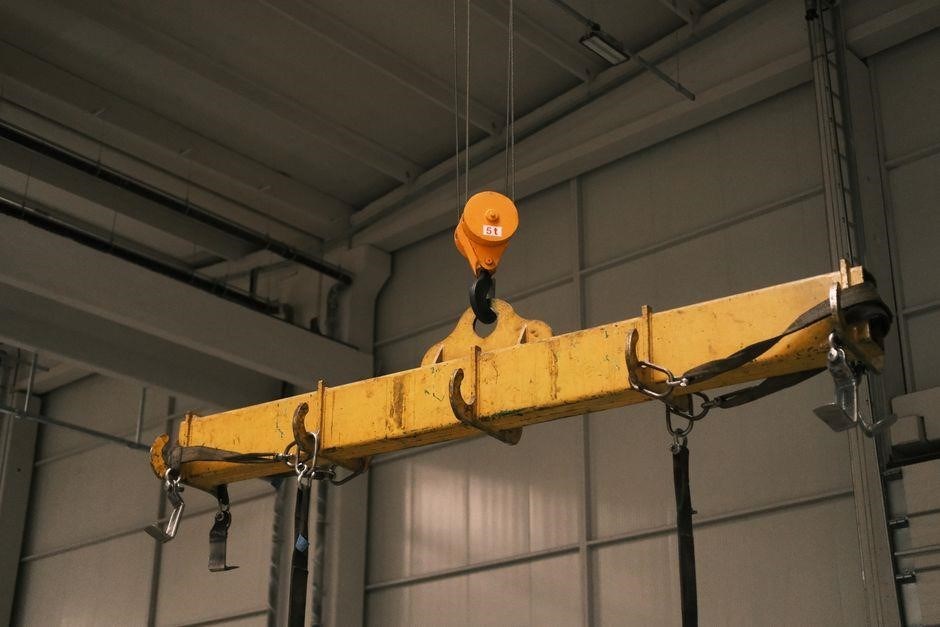
Before the scissor lift is assembled, the work area must be prepared to meet all safety and operational requirements. The first step is to evaluate the ground surface. It should be level, firm, and free of loose material, rocks, or any obstructions that could compromise stability. If the terrain is uneven, use a laser level or a spirit level to mark a flat reference plane. The lift’s footprint should be clearly marked with high‑visibility paint or chalk, extending at least 3 ft beyond the lift’s maximum reach in every direction to establish a safe perimeter. Next, verify that the electrical supply conforms to the lift’s specifications. The voltage, amperage, and phase must match the manufacturer’s data sheet. Install a dedicated circuit breaker or fuse rated for the lift’s maximum current draw, and ensure all wiring is routed away from moving parts. Grounding is essential; connect the lift’s grounding bus to the building’s grounding system using a copper conductor of adequate gauge, following local electrical codes. Test continuity with a multimeter to confirm a low‑resistance path to earth. The site must also accommodate the lift’s hydraulic system. The operator’s seat should be positioned so that the control panel is within easy reach, and the seat itself must be secured to the lift frame with the supplied locking mechanism. Once all these steps are completed, the site is ready for lift assembly and subsequent operation. Proper site preparation is the foundation for safe, efficient use of the scissor lift and helps prevent accidents, equipment damage, and costly downtime. Adhering to these guidelines ensures compliance with local regulations and promotes safety among all personnel all staff.
Assembly Steps
Unpack components, verify parts list, attach base plate to frame with supplied bolts, secure hydraulic cylinders, connect control cables, install seat and guard rails, tighten all fasteners, perform safety check, then lift to working height. Follow manufacturer’s torque specs. Ensure all bolts are torqued per spec.!!
Operator Training and Emergency
Operator training is critical to ensure safe use of scissor lifts. All personnel must complete a formal training program that covers the machine’s operating principles, safety rules, and emergency procedures. The training curriculum includes classroom instruction, hands‑on practice, and competency assessment. Trainees should learn how to inspect the lift before each use, identify potential hazards, and understand the proper use of guardrails, seat belts, and load limits. Certification is required for each operator and must be renewed annually or whenever a new model is introduced. Emergency procedures cover fire, power loss, and mechanical failure. Operators must know the location of emergency stop buttons, fire extinguishers, and first‑aid kits. In the event of a malfunction, the operator should immediately shut down the lift, secure the platform, and contact maintenance. All emergency drills should be conducted at least twice a year. Documentation of training, certification, and any incidents must be maintained in the operator’s logbook. The company’s safety officer reviews this log quarterly to ensure compliance. Proper training reduces accidents, protects workers, and ensures regulatory compliance.
Operators should also be trained in the lift’s maintenance schedule, emergency evacuation routes, and the use of personal protective equipment. They must know how to read warning signs, recognize abnormal vibrations, and respond to power failures. Regular drills reinforce safe practices and help identify potential hazards before they become incidents. In addition, operators must perform a checklist that verifies hydraulic fluid levels, battery charge, and platform stability before each use!
Training, Certification, and Emergency Procedures
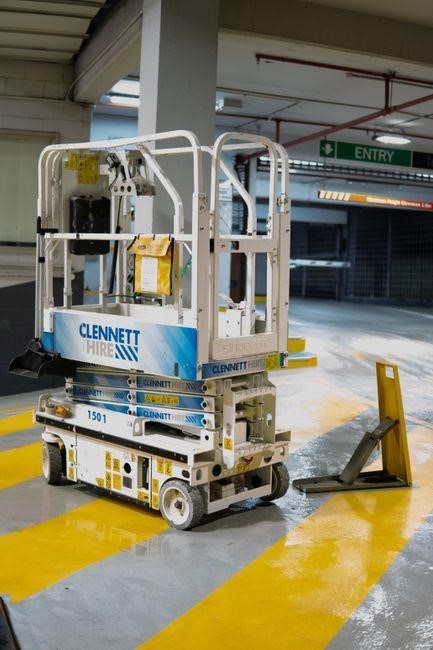
All operators must complete a formal training program that covers the scissor lift’s operating principles, safety rules, and emergency procedures. The curriculum includes classroom instruction, hands‑on practice, and a competency assessment. Certification is required for each operator and must be renewed annually or whenever a new model is introduced. The training program also covers the inspection checklist, load limits, and the proper use of guardrails, seat belts, and emergency stop buttons. Operators must be able to identify potential hazards, recognize abnormal vibrations, and respond to power failures. In the event of a malfunction, the operator should immediately shut down the lift, secure the platform, and contact maintenance. All emergency drills should be conducted at least twice a year. Documentation of training, certification, and any incidents must be maintained in the operator’s logbook. The company’s safety officer reviews this log quarterly to ensure compliance. Proper training reduces accidents, protects workers, and ensures regulatory compliance. Operators should also be trained in the lift’s maintenance schedule, emergency evacuation routes, and the use of personal protective equipment. They must know how to read warning signs, recognize abnormal vibrations, and respond to power failures. Regular drills reinforce safe practices and help identify potential hazards before they become incidents. Finally, operators should report any anomalies to maintenance promptly, ensuring continuous safety and compliance across all operations. All training records must be kept for at least fiveyr. The manager must review records annually to verify compliance update training.