NewAir Ice Machine Manual: Comprehensive Guide
Navigating ice maker issues? This guide offers troubleshooting for power‚ water‚ leaks‚ noises‚ and ice quality‚ alongside cleaning and maintenance instructions.
Welcome to the world of convenient‚ on-demand ice! NewAir ice machines are designed to provide a consistent supply of ice for homes‚ offices‚ and recreational use. These portable units eliminate the need for ice trays and frequent store trips. However‚ like any appliance‚ occasional issues can arise.
This manual serves as a comprehensive resource for understanding‚ maintaining‚ and troubleshooting your NewAir ice maker. We’ll cover everything from basic operation and regular cleaning to diagnosing and resolving common problems like leaks‚ unusual noises‚ and poor ice quality.
Whether you’re a first-time owner or a seasoned user‚ this guide will empower you to keep your NewAir ice machine running smoothly for years to come‚ ensuring a steady flow of refreshing ice whenever you need it.
Understanding Your NewAir Ice Machine Model
Familiarizing yourself with your specific NewAir model is crucial. While core functionality remains consistent across the range‚ variations exist in capacity‚ ice shape‚ and feature sets. Refer to the model number (e.g.‚ NIM026MB00) located on the unit’s exterior or in your original documentation.
Key components include the water reservoir‚ ice basket‚ evaporator‚ compressor‚ and control panel. Understanding the role of each part aids in troubleshooting. The evaporator is vital for ice production‚ absorbing heat from the water.
Consult your model’s diagram (often found online or in the included paperwork) to pinpoint component locations. Knowing these details will streamline maintenance and repair efforts‚ ensuring optimal performance and longevity of your NewAir ice machine.

Common NewAir Ice Machine Issues & Troubleshooting
Facing problems? This section details solutions for common issues like ice production failures‚ leaks‚ unusual noises‚ and subpar ice quality – let’s resolve them!
Ice Maker Not Making Ice
Is your NewAir ice maker failing to produce ice? Several factors could be at play. First‚ verify the power supply and connections are secure and functioning correctly. A tripped circuit or loose plug can halt operation.
Next‚ investigate potential water supply problems. Ensure the water line is connected‚ the water supply is turned on‚ and there are no kinks or blockages in the hose.
A faulty water filter is another common culprit. A clogged filter restricts water flow‚ preventing ice formation. Regularly replacing the filter is crucial for optimal performance. Consider a restart to see if it resolves the issue.
Power Supply and Connections
Troubleshooting a NewAir ice maker that won’t power on begins with the basics: the power supply. Confirm the unit is plugged securely into a functioning electrical outlet. Test the outlet with another appliance to rule out a broader electrical issue.
Check the power cord itself for any visible damage‚ such as cuts or fraying. A damaged cord poses a safety hazard and must be replaced. Ensure the voltage of the outlet matches the ice maker’s requirements‚ as indicated on the appliance’s label.
Finally‚ verify that the circuit breaker hasn’t tripped. Resetting the breaker may restore power if it’s the source of the problem.
Water Supply Problems
If your NewAir ice maker isn’t producing ice‚ investigate potential water supply issues. Ensure the water source is turned on and adequately pressurized. For models with direct water line connections‚ verify the water line isn’t kinked or frozen‚ restricting water flow.
Check the water inlet valve for obstructions or malfunctions. A clogged valve can prevent water from entering the machine. Inspect the water supply hose for leaks or damage‚ which could lead to insufficient water pressure.
Low water pressure is a common culprit; ensure your home’s water pressure meets the ice maker’s specifications.
Faulty Water Filter
A clogged or faulty water filter significantly impacts ice production and quality. Over time‚ filters accumulate minerals and impurities‚ restricting water flow and potentially affecting the taste of the ice. Regularly replacing the filter is crucial for optimal performance.
If ice production slows or stops‚ or if the ice tastes unpleasant‚ the water filter is a prime suspect. Inspect the filter for visible debris or discoloration. Even if it looks okay‚ it might be internally clogged.
Refer to the “Water Filter Replacement” section for detailed instructions on identifying the correct filter and replacement frequency for your specific NewAir model.
Ice Maker Leaking Water
Water leaks are a common issue with NewAir ice machines‚ often stemming from a few key areas. Addressing these promptly prevents potential water damage and ensures efficient operation. Leaks can range from minor drips to significant pooling‚ requiring immediate attention.
Potential causes include internal water line clogs‚ improper leveling of the unit‚ or‚ as reported by users‚ a more serious issue described as “hemorrhaging water.” Each requires a specific troubleshooting approach.
This section will guide you through diagnosing and resolving these leak sources‚ starting with checking for clogs and ensuring the machine is perfectly level. We’ll also address the more complex “hemorrhaging” scenario.
Internal Water Line Clogs
Internal water line clogs are a frequent culprit behind NewAir ice machine leaks. Mineral buildup from hard water‚ or debris from the water source‚ can restrict water flow and cause pressure to build‚ leading to leaks at connection points. Regular cleaning cycles‚ utilizing vinegar and water solutions‚ are crucial preventative measures.
Users have reported continued floaties even after cleaning‚ indicating persistent buildup. Thoroughly flushing the system is essential. Begin by disconnecting the water supply and locating the internal lines. Carefully inspect for obstructions and gently clear them.
Ensure all lines are securely connected after cleaning to prevent future leaks. A clogged line can also manifest as reduced ice production‚ so addressing it improves overall performance.
Improper Leveling
An unleveled NewAir ice machine can experience significant issues‚ including water leaks. If the unit isn’t perfectly level‚ water may not drain correctly from the internal reservoirs‚ leading to overflow and subsequent leakage. This is a surprisingly common problem easily addressed with a simple adjustment.
Use a bubble level to check the machine’s stability on all sides. Most NewAir models have adjustable feet; rotate these to achieve a perfectly level position. Ensure the surface the ice maker sits on is also stable and even.
Consistent leveling is vital for optimal performance and preventing water damage. Re-check the level periodically‚ especially after moving the appliance. A level machine ensures efficient operation and minimizes the risk of leaks.
Hemorrhaging Water ― Specific Issue
Reports indicate some NewAir ice makers‚ particularly when recently cleaned‚ may experience excessive water discharge – a “hemorrhaging” effect. This often occurs after running vinegar cleaning cycles‚ suggesting residual vinegar or debris disrupts the normal water flow regulation.
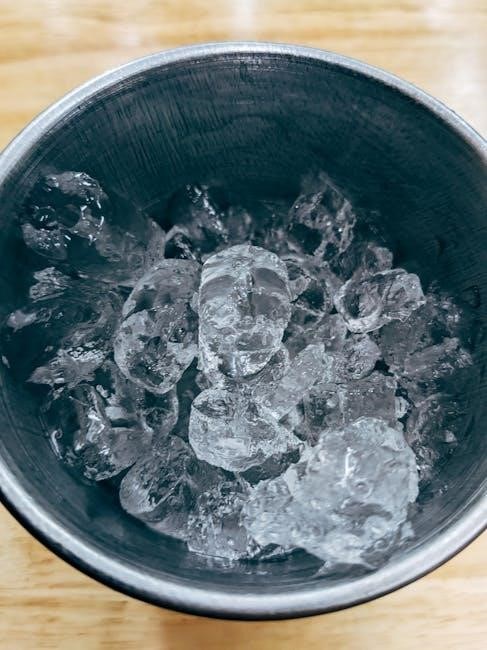
Continued floaties appearing even after multiple cleaning cycles can exacerbate this issue‚ potentially clogging sensors or valves. Thoroughly flushing the system with fresh water after vinegar treatment is crucial.
Contacting NewAir support is recommended if the problem persists‚ as it may indicate a component malfunction. Document the issue with photos or videos to aid their diagnosis and potential repair guidance.
Loud Noises During Operation
Unusual sounds from your NewAir ice maker can signal several potential problems. Identifying the source is key to effective troubleshooting. Common culprits include the compressor and the cooling fan.
Compressor noise‚ a humming or buzzing sound‚ is generally normal‚ but excessively loud or rattling noises may indicate a failing compressor requiring professional attention. Fan issues‚ such as a clicking or grinding sound‚ often point to obstructions or a failing fan motor.
Inspect the fan for ice buildup or debris. Ensure proper ventilation around the unit‚ as restricted airflow can increase noise levels. If noises persist‚ contact NewAir support for assistance.

Compressor Noise
The compressor is the heart of your NewAir ice maker‚ and some operational noise is expected. A consistent‚ low humming sound is typically normal as it circulates refrigerant. However‚ pay attention to changes in the sound’s intensity or character.
Excessively loud humming‚ rattling‚ or clicking sounds emanating from the compressor area could indicate a problem. This might suggest internal wear‚ loose components‚ or a failing compressor. These issues often require professional diagnosis and repair.
Avoid attempting to repair the compressor yourself‚ as it involves sealed refrigerant systems. Contact NewAir support immediately if you suspect a compressor malfunction to prevent further damage.
Fan Issues
NewAir ice machines utilize fans for both condenser and evaporator cooling. Unusual fan noises‚ such as rattling‚ grinding‚ or a complete lack of sound‚ signal potential problems. A properly functioning fan is crucial for efficient ice production and preventing overheating.
Check for obstructions like ice buildup or debris blocking the fan blades. Carefully remove any obstructions‚ ensuring the machine is unplugged for safety. If the fan doesn’t spin freely after clearing obstructions‚ the motor may be failing.
A failing fan motor often requires replacement by a qualified technician. Do not attempt to disassemble or repair the fan motor yourself. Contact NewAir support for assistance and potential repair options.
Ice Quality Problems
Suboptimal ice quality can stem from several factors. Cloudy or discolored ice often indicates impurities in the water supply or a need for cleaning. Small or misshapen ice cubes frequently point to temperature inconsistencies or issues with the water flow within the machine.
Regular cleaning cycles‚ particularly with vinegar as detailed later in this manual‚ are vital for removing mineral buildup and ensuring clear ice. Verify your water source is clean and consider using filtered water.
If problems persist‚ check the evaporator for ice buildup‚ which can disrupt the freezing process. Ensure the machine is operating on a level surface for consistent water distribution.
Cloudy or Discolored Ice
Cloudy or discolored ice typically signals impurities within the water supply. Minerals present in tap water‚ even if seemingly harmless‚ can contribute to a hazy appearance. Regular cleaning is paramount; mineral buildup inside the ice maker exacerbates this issue‚ leading to noticeable discoloration.
Implementing a vinegar cleaning cycle (described in detail later) effectively dissolves mineral deposits. Consider utilizing filtered water to minimize initial impurities. If discoloration persists after cleaning and filtration‚ inspect the water lines for potential contaminants.
Consistent maintenance and a clean water source are key to producing crystal-clear ice cubes.
Small or Misshapen Ice Cubes
The formation of small or oddly shaped ice cubes often points to temperature inconsistencies or issues with the water flow. A partially clogged water line can restrict the amount of water reaching the ice mold‚ resulting in smaller cubes. Similarly‚ fluctuations in the ambient temperature surrounding the machine can disrupt the freezing process.
Ensure the ice maker is positioned in a well-ventilated area‚ away from direct heat sources. Inspect and clear any potential obstructions in the water supply line. A faulty water pump could also contribute to insufficient water flow‚ impacting cube size and shape.
Consistent water pressure is crucial for optimal ice production.

Cleaning and Maintenance
Regular upkeep is vital! This section details cleaning procedures‚ vinegar cycles for descaling‚ and water filter replacement to ensure peak performance and longevity.
Regular Cleaning Procedures
Maintaining a pristine ice machine is crucial for optimal function and ice quality. Daily‚ empty the ice bin and wipe down the interior with a soft‚ damp cloth. Weekly‚ thoroughly clean the exterior surfaces with a mild detergent and water solution‚ avoiding abrasive cleaners.
Pay close attention to the water reservoir and dispensing nozzles‚ ensuring they are free from buildup. Inspect the water filter housing for any signs of residue. A consistent cleaning schedule prevents mineral deposits and bacterial growth‚ contributing to clearer‚ better-tasting ice. Remember to always disconnect the power before initiating any cleaning process for safety.
Regular cleaning also extends the lifespan of your NewAir ice maker‚ preventing costly repairs down the line. Don’t neglect this essential maintenance step!
Vinegar Cleaning Cycle ― Detailed Instructions
A vinegar cleaning cycle effectively removes mineral buildup and sanitizes your NewAir ice machine. Begin by emptying the ice bin and preparing a solution of equal parts white vinegar and water – approximately half a gallon. Pour this solution into the water reservoir.
Initiate a cleaning cycle (refer to your model’s specific instructions – often a dedicated ‘Clean’ button). Allow the cycle to run completely. Afterwards‚ run at least two full cycles with fresh‚ clean water to thoroughly rinse away any residual vinegar taste and odor;
Repeat this process if floaties or residue continue to appear‚ as noted by users online. This ensures a pristine‚ fresh-tasting ice supply. Always consult your manual for specific guidance related to your model.
Water Filter Replacement
Maintaining a clean water filter is crucial for optimal ice quality and machine performance. Regularly replacing the filter prevents clogs and ensures fresh-tasting ice. Identifying the correct filter for your NewAir model is paramount – consult your owner’s manual or the NewAir website for specific part numbers.
Replacement frequency depends on water quality and usage‚ but generally‚ filters should be replaced every 6 months. Some users may need to replace them more often if their water source has high mineral content.
A clogged or faulty filter can lead to reduced ice production or even machine malfunction‚ as highlighted in troubleshooting guides. Proper filter maintenance extends the life of your ice maker.
Identifying the Correct Filter
Selecting the right water filter is essential for your NewAir ice machine’s performance and the quality of your ice. Using an incorrect filter can lead to leaks‚ reduced ice production‚ or compromised taste.
The most reliable method for identifying the correct filter is to consult your ice machine’s owner’s manual. It will list the specific part number required for your model (e.g.‚ NIM026MB00). Alternatively‚ visit the official NewAir website and utilize their parts finder tool.
Filters are often categorized by size‚ connection type‚ and filtration capabilities. Ensure the filter you purchase is compatible with your machine’s housing and meets its filtration needs.
Replacement Frequency
Maintaining optimal ice quality and machine performance hinges on regular water filter replacement. The recommended frequency depends on your water source and usage patterns‚ but a general guideline is every 3 to 6 months.
If you have particularly hard water or notice a decline in ice clarity or taste‚ more frequent replacements – perhaps every 3 months – are advisable. Conversely‚ if your water quality is excellent and usage is light‚ you might extend the interval to 6 months.
NewAir often includes a filter replacement indicator on their machines. Pay attention to this signal‚ and always document replacement dates for consistent maintenance.

Advanced Troubleshooting
Delving deeper into repairs? Explore evaporator function‚ machine resets‚ and when to contact NewAir support for complex issues and expert assistance.
Evaporator Issues and Function
The evaporator is central to ice production. It efficiently absorbs heat – both sensible and latent – from the water‚ causing it to freeze. Problems here severely impact ice-making capability. A malfunctioning evaporator might stem from refrigerant leaks‚ frost buildup‚ or a faulty evaporator fan.
Frost buildup restricts airflow and reduces cooling efficiency‚ potentially halting ice production. Inspect for excessive frost‚ indicating a defrost system failure. Refrigerant leaks require professional attention‚ as handling refrigerants is hazardous and regulated.
Ensure the evaporator fan operates correctly; its function is crucial for circulating cold air. Listen for unusual noises or a complete lack of operation. A compromised evaporator necessitates professional diagnosis and repair to restore optimal ice-making performance.
Restarting and Resetting the Machine
Sometimes‚ a simple restart resolves minor glitches. Begin by powering off the NewAir ice machine and disconnecting it from the electrical outlet for at least 60 seconds. This allows the internal components to fully reset. Reconnect the power and turn the machine on‚ observing if the issue persists.
If a standard restart fails‚ consult your model’s manual for specific reset procedures. Some models feature a dedicated “Reset” button or a combination of button presses. Performing a reset clears temporary errors and restores factory settings‚ potentially resolving software-related problems.
Remember to reconfigure any personalized settings after a reset. If issues continue after both methods‚ further troubleshooting or contacting NewAir support is recommended.
Contacting NewAir Support
If troubleshooting steps prove ineffective‚ reaching out to NewAir’s customer support is crucial. Their team can provide specialized assistance tailored to your specific ice machine model. Be prepared to provide your model number‚ purchase date‚ and a detailed description of the problem you’re experiencing.
You can typically find contact information – including phone numbers and email addresses – on the NewAir website (www.newair.com) or within your appliance’s manual. Many users report initial contact via email‚ followed by potential phone support for more complex issues.
Keep records of all communication with NewAir‚ including dates‚ times‚ and the names of representatives you speak with. This documentation can be helpful if further assistance is needed.

Safety Precautions
Prioritize safety! Ensure proper electrical grounding‚ adequate ventilation‚ and avoid operating the ice maker in hazardous environments for optimal performance.
Electrical Safety
Crucially‚ always ensure your NewAir ice machine is properly grounded. Using an extension cord is discouraged; if absolutely necessary‚ select a heavy-duty cord rated for the appliance’s amperage. Never operate the machine with a damaged power cord or plug – immediate replacement is vital.
Avoid operating the ice maker in damp environments or near water sources to prevent electrical shock. Disconnect the appliance from the power outlet before any cleaning‚ maintenance‚ or relocation. Do not attempt to repair electrical components yourself; contact qualified technicians for assistance. Regularly inspect the power cord for any signs of wear or damage. Adhering to these precautions minimizes the risk of electrical hazards and ensures safe operation.
Proper Ventilation
Maintaining adequate ventilation is paramount for optimal performance and longevity. NewAir ice machines generate heat during operation‚ and insufficient airflow can lead to overheating and reduced efficiency. Ensure there’s ample space around the unit – at least several inches on all sides‚ and particularly at the rear where the compressor is located.
Avoid enclosing the ice maker in tight spaces or cabinets without proper ventilation. This allows for efficient heat dissipation. Regularly check the ventilation openings for obstructions like dust or debris‚ and clear them as needed. Proper airflow not only prevents overheating but also contributes to consistent ice production and extends the lifespan of the appliance’s components.

NewAir Ice Machine Parts & Replacement
Locating replacement components is crucial for repairs. Identify key parts and explore authorized retailers or NewAir’s website for genuine replacements.
Identifying Key Components
Understanding your NewAir ice machine’s anatomy is the first step towards successful repair. Essential components include the compressor‚ responsible for refrigerant circulation and cooling. The evaporator‚ crucial for freezing water into ice‚ requires inspection for buildup. The water pump facilitates water flow‚ while the water filter ensures purity.
Additionally‚ the float switch regulates water levels‚ preventing overflows. The control panel manages operation‚ and the water reservoir stores water for ice production. Inspecting the internal water lines for clogs is vital. Recognizing these parts allows for targeted troubleshooting and efficient replacement when necessary‚ extending your ice maker’s lifespan.
Where to Find Replacement Parts
Sourcing replacement parts for your NewAir ice machine is crucial for maintaining its functionality. The official NewAir website (newair.com) is the primary source‚ offering genuine parts specifically designed for their appliances. Online retailers like Amazon and eBay often carry NewAir parts‚ providing competitive pricing and wider availability.
Appliance parts distributors‚ such as AppliancePartsPros or RepairClinic‚ specialize in components for various brands‚ including NewAir. When ordering‚ always have your model number handy to ensure compatibility. Local appliance repair shops may also stock common parts or assist with ordering. Prioritize genuine NewAir parts for optimal performance and longevity.